%2Ffit-in%2F250x250%2Fguide_websites%2F2853%2Fimages%2F1751931411725logo.png&w=1920&q=100)
Catch Trophy Bass Branson Missouri Guide
Bass Fishing in Branson - What to Expect
%2F%2Fusers%2Fcd0cc705-2136-4378-9abf-bbe650b01c61%2Fimages%2Fbranson-bass-fishing-boat-catch-2637.jpg&w=1920&q=75)
Guided Fishing Trip by Guide Robbie Dodson in July
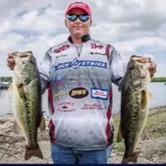
Meet your Guide Robbie Dodson
- Experience Lake Fishing in Branson Missouri


Summary
Experience a guided fishing trip in Branson on Tuesday, July 28th with Robbie Dodson of Dodson's Guide Service. This bass fishing adventure teaches anglers the techniques and strategies needed to locate and land quality fish in Missouri's productive lake system.
Bass Fishing with Robbie Dodson - Rates & Booking
Guide Robbie Dodson of Dodson's Guide Service operates guided fishing trips on Tuesday, July 28th targeting bass in the Branson area. Contact Dodson's Guide Service for current rates, trip duration, and availability. As a local guide, Robbie brings understanding of seasonal patterns, productive structure, and proven techniques that increase success rates. Booking a guided trip provides access to expert knowledge and established fishing locations that typically take independent anglers considerable time to discover.
Highlights of Bass Fishing in Branson
Branson's lakes offer consistent opportunities for quality bass throughout the season. The guided experience pairs two anglers with a knowledgeable guide who understands how weather, water temperature, and seasonal changes influence fish behavior. This approach teaches fishing methodology rather than just providing access to water, helping anglers develop skills they can apply on future trips.
The partnership between guide and anglers creates a learning environment where techniques are demonstrated and explained in real conditions. Success comes from understanding why fish hold in specific locations, how they respond to different presentations, and when to adjust strategies based on water and weather conditions.
Local Bass Fishing Insights in Branson
Branson's lake system provides habitat for largemouth and smallmouth bass across varied structure including flats, channels, rocky areas, and vegetation. These fish are ambush predators that relate to structural elements where they can conserve energy while waiting for prey. Understanding this behavior informs where to focus effort and which presentations prove most effective.
Bass activity fluctuates with water temperature, light conditions, and season. During warmer months, fish often move to deeper water and structure during midday, becoming more active during lower-light periods. Spring and fall transitions can produce excellent activity as fish adjust feeding patterns. Successful anglers adapt by targeting different depths, speeds of retrieve, and lure types based on current conditions.
The guided trip format allows exploration of multiple locations and techniques within a single day. Rather than committing several hours to one area with uncertain results, the guide's experience identifies productive water quickly. This efficiency helps maximize time spent fishing and learning. Two anglers can work different sides of the boat or coordinate presentations to cover water more effectively and gather data about what fish are responding to.
Water clarity, wind direction, and barometric pressure all influence feeding activity. Clear water often requires longer casts and more subtle presentations, while stained water allows aggressive approaches. Wind creates wave action that can trigger feeding behavior, particularly in shallow areas. Learning to read these conditions and adjust accordingly develops into practical fishing skill applicable across different water bodies and species.
Plan Your Bass Fishing Day
A typical guided trip accommodates two anglers with a professional guide who provides equipment guidance, location selection, and real-time coaching. Most full-day trips span several hours of active fishing across multiple areas. Bring sunscreen, polarized sunglasses to reduce glare and see below the surface, and appropriate clothing for weather conditions. The guide's boat is equipped with electronics to locate fish and structure, though understanding what you're seeing and how to respond requires instruction and practice.